






Electrical power

Electrical power is defined as the rate at which electrical energy is transferred via an electrical circuit. It is therefore the rate of ‘doing work’.
The SI unit of electrical power is the watt, which equates to an energy transfer rate of 1 joule per second.
Electrical power, as applicable to buildings, is produced by generators. These may be either remote from the building, typically at power stations that serve complete energy networks, or dedicated to the building. These generators commonly convert one form of fuel such as oil, gas, coal, nuclear reaction and so on, into electrical energy.
Other forms of generation may be provided by renewable sources such as solar voltaic, wind, tides, or from electric storage batteries.
In relation to electricity in buildings, the term electrical power is usually associated with other words such as demand, rating or supply capacity. In this context it is concerned with how much power a building or a circuit may require, which in turn will relate to capacity of supply, size and rating of conductors, type and rating of protective equipment as well as functional switching capacity.
To ensure safety, all such equipment should be able to handle, control and dissipate electrical power safely, to avoid the risk of fire or electric shock.
--ECA
[edit] Related articles on Designing Buildings
- Articles about electricity.
- Conductor.
- Consumer electronics.
- Consumer units.
- ECA articles.
- ECA.
- Electric lock.
- Electric motor.
- Electrical appliance.
- Electrical component.
- Electrical consumption.
- Electrical energy.
- Electrical equipment.
- Electrical installation.
- Electrical safety.
- Electrician.
- Electricity bill.
- Electricity supply.
- Glossary of electrical terms.
- Plug load control.
- Power.
Featured articles
Check out some of the best features and news from Designing Buildings as well as key stories from around the web.

Gasholders: a history in pictures. Book review.
Recognition, influence and growth

SocEnv identifies three strategic pillars in new strategy to 2045.
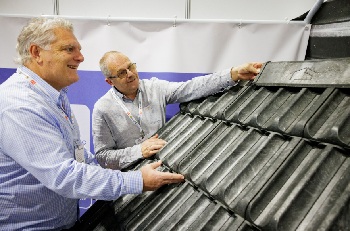
Discover the future of roofing, cladding and insulation.

New guidance for professional practice, cultural change and regulation in social housing.
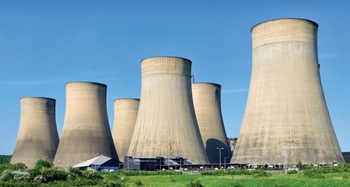
The heritage of nuclear and conventional power stations.
New measures to stop people being ripped off

Government to protect families from cowboy builders and aggressive bailiffs.

New Futurebuild showcase brings an innovation-first approach.
National Planning Policy Framework
Understanding the 2026 changes.
ECA's public affairs priorities

Member consultation opens to shape priorities for 2027 to 2030.

Dutyholder responsibilities from 1 July 2026.
Where performance meets practice

The Building Envelope Stage at UKCW Birmingham.
CIAT publishes briefing on planning reforms.